Jamaican Music
An overview of the services you offer and how they will benefit the visitor.
Revival / Pocomania Music
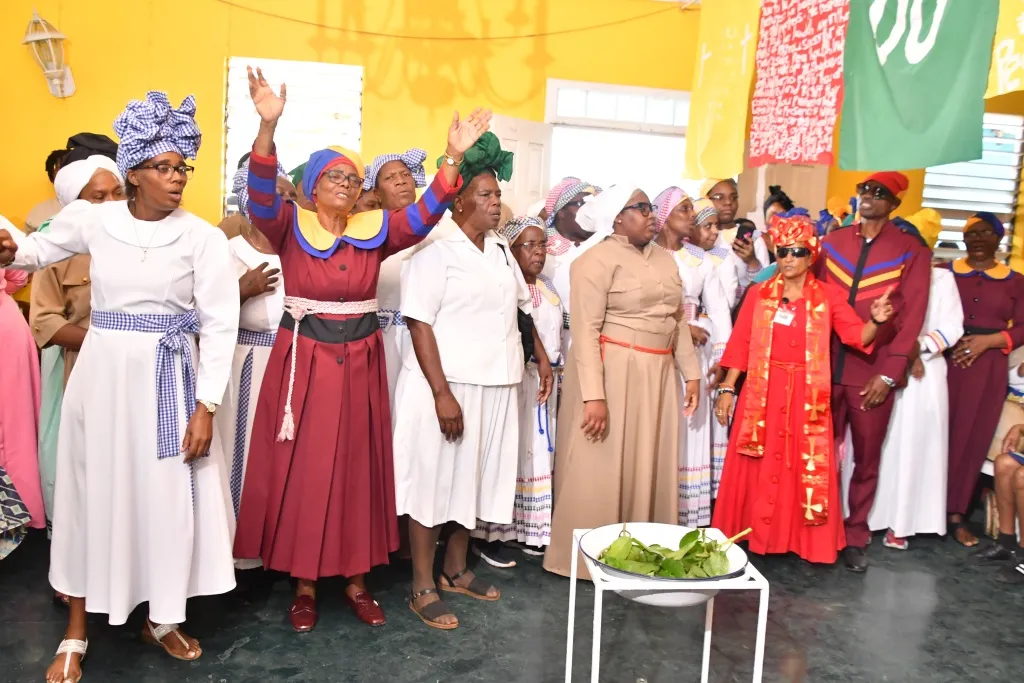
Revivalism began in Jamaica between 1860 and 1861. It is a combination of African religious beliefs and Christianity. Two major forms being Revival Zion and Pocomania. The Revival ritual involves singing, drumming, dancing, hand-clapping, foot-stomping, and groaning along with the use of prayers. It also includes music and songs from orthodox religion.
Popular revival songs in Jamaica include, “O let the power fall on me my Lord” and “River Maid”.
Calypso Music
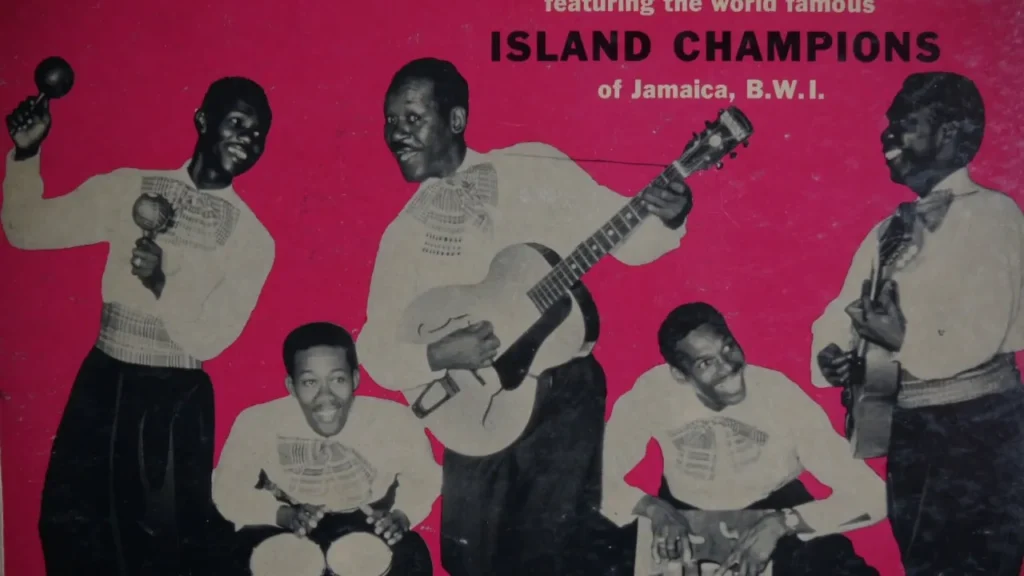
Calypso is the music of the Eastern Caribbean. However, the African heritage of calypso can be clearly identified. The name “calypso” or (“kaiso”) can be traced to a West African source.
The first true Jamaican calypsoes were those of the famous Jazz pianist, band leader and vocalist, Baba Motta, who sang “She Pon Top”, recorded in the late 1950s. Pure calypso has since given way to a more modern form which was popularized by The Honourable Byron Lee, OJ and his calypso band called “The Dragonaires”.
Rastafarian Music
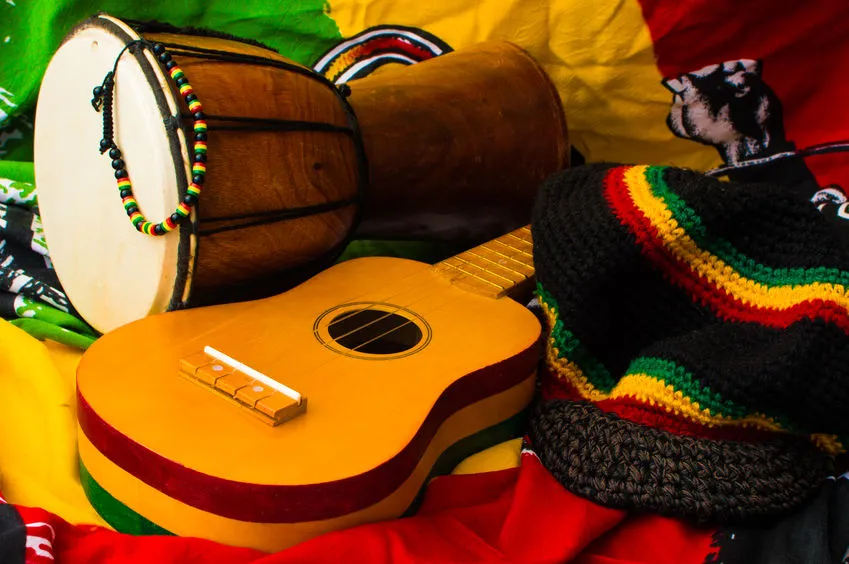
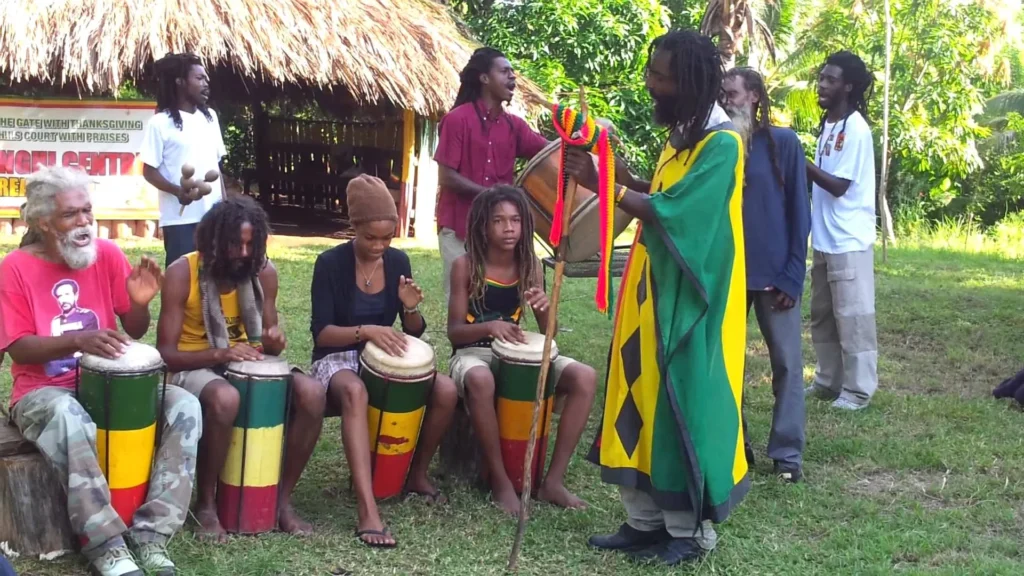
Rastafarian music originated from the Rastafarian Movement, which began during the 1930s in Jamaica. A Rastafarian by the name of Count Ossie Williams was instrumental in developing this music. Count Ossie adapted the Burru drums and combined them with the Kumina rhythms of his youth in St. Thomas and arrived at what is now known as Rasta music.
Several instruments are played in Rasta music, for example, tambourines, shakers, scrapers, striker bells, sometimes the saxophone and trombone and, most importantly, drums.
Ska Music
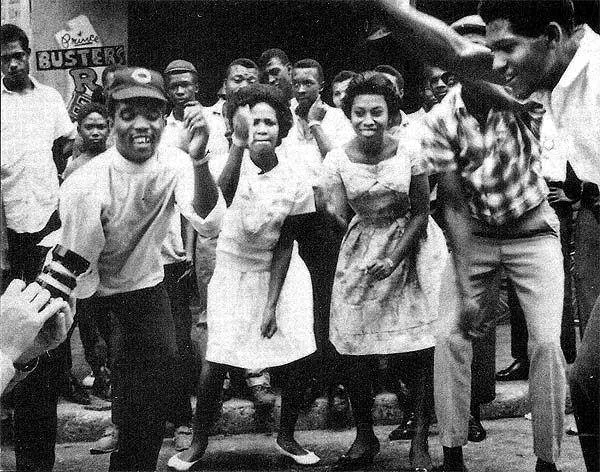
Ska, regarded as the forerunner of reggae music, was popularized by the late Don Drummond and the Skatalites during the early 1960s. It has been described as a Jamaicanized version of the North American Rhythm and Blues (R&B). The lyrics of ska were often about the prevailing socio-economic commentaries of the less privileged in the society. Popular songs of the ska era included Count Ossie’s ‘Oh Carolina’ and Millie Small’s, ‘My Boy Lollipop’.
Rocksteady Music
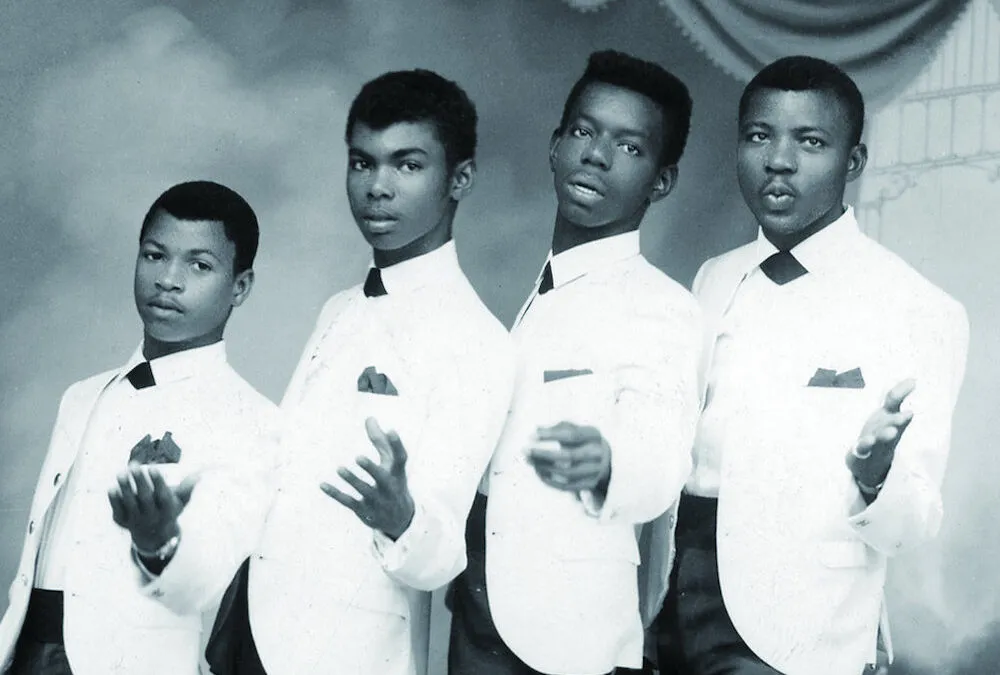
Rocksteady, was a slower version of Ska, with elements of American Rhythm and Blues and the Mento. With the slower beat, musicians were free to experiment with more complicated melodies.
The transition period between Ska and Rocksteady was known as the ‘rudie’ period. The songs of this period dealt with the criminal elements of the ghetto. Songs of the period included ‘007’, ‘Rude Boy’ and ‘Rudie in Court’, among others. Delroy Wilson, Bob Marley and the Wailers and Hopeton Lewis, were a few of the many artistes of this period.
Reggae Music
Reggae is a slower version of rocksteady music and is characterised by its heavy, often repeated bass. Reggae songs often contain a message – political, religious or social. There is also a strong element of Rastafarianism in the music.
Over the years, the popularity of reggae music has increased both locally and internationally. In 1983 the group Black Uhuru won the first Grammy Award with ‘Anthem’. The late Robert “Bob” Marley who died in 1981 still remains the most widely acclaimed reggae artiste. He was awarded the Order of Merit (OM) for his contribution to the development of reggae music. Other popular artistes include Toots and the Maytals, Third World, Jimmy Cliff, U-Roy, Beres Hammond and Dennis Brown.
Dancehall Music
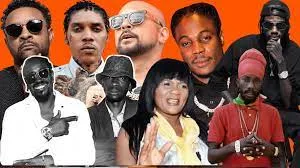
What began sometime in the 70s and blossomed in the 80s as a mere exhortation to the crowd to dance at a “session” led to the birth of deejaying. Deejays were a new set of champions of the music who spoke to the masses. Patrons at dances began to compare the ability of each deejay to motivate or “rock the crowd” and eventually this caught on, with artistes trying to “ride the rhythm” (chanting in tune with the beat), while at the same time creating with witty lyrics.
Thus, deejay music became inextricably intertwined with dancehall. Dancehall became not just the place where a dance was held, but the music itself. Deejay/dancehall music is sometimes considered vulgar and disrespectful to women as the language is at times sexually explicit and graphic. However, because of strict rules for airplay set out by the Broadcasting Commission, the production of this type of dancehall music has lessened.
Deejays of the early days include Big Youth and Scotty. In the 80s and 90s there were Yellow Man and Michigan and Smiley and Shabba Ranks, Beenie Man and Bounty Killer, to name a few.